Hey there! I’m a supplier of welded hydraulic cylinders, and I often get asked about the installation requirements for these bad boys. So, I thought I’d put together this blog post to share some insights and tips. Welded Hydraulic Cylinder
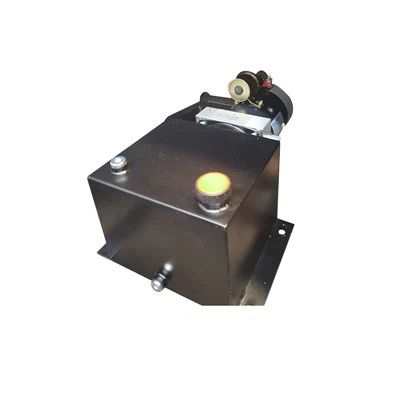
First off, let’s talk about what a welded hydraulic cylinder is. It’s a key component in many hydraulic systems, used to convert fluid power into mechanical force. These cylinders are made by welding different parts together, which gives them a strong and durable structure.
1. Mounting Location
The first thing you need to consider is where you’re going to mount the welded hydraulic cylinder. You want to pick a spot that’s stable and can handle the forces the cylinder will generate. It should be free from any obstructions that could interfere with the cylinder’s movement.
For example, if you’re using the cylinder in a construction machine, you need to make sure it’s mounted in a place where it won’t get hit by debris or other parts of the machine. You also want to ensure that there’s enough space around the cylinder for maintenance and inspection.
2. Alignment
Proper alignment is crucial when installing a welded hydraulic cylinder. If the cylinder isn’t aligned correctly, it can cause excessive wear and tear on the seals and other components. This can lead to leaks and reduced performance.
To align the cylinder, you need to make sure that the piston rod is parallel to the direction of travel. You can use alignment tools like laser alignment systems to help you get it right. It’s also a good idea to double – check the alignment after the initial installation and during regular maintenance.
3. Fluid Compatibility
The hydraulic fluid you use with the welded hydraulic cylinder is super important. You need to make sure that the fluid is compatible with the materials used in the cylinder. Different cylinders are made from different materials, such as steel or aluminum, and some fluids can cause corrosion or damage to these materials.
Check the manufacturer’s specifications for the recommended hydraulic fluid. The fluid should have the right viscosity and lubricating properties. Using the wrong fluid can not only damage the cylinder but also affect the overall performance of the hydraulic system.
4. Sealing
Sealing is another critical aspect of the installation. The seals in a welded hydraulic cylinder prevent fluid from leaking out and keep contaminants from getting in. When installing the cylinder, you need to make sure that the seals are installed correctly.
Inspect the seals for any damage or defects before installation. Make sure they’re the right size and type for your cylinder. During installation, be careful not to damage the seals. You may need to use special tools to install the seals properly.
5. Pressure and Flow Rate
You need to ensure that the pressure and flow rate of the hydraulic system are within the cylinder’s specifications. If the pressure is too high, it can cause the cylinder to fail or damage the seals. On the other hand, if the flow rate is too low, the cylinder may not operate as efficiently.
Check the pressure and flow rate requirements of the welded hydraulic cylinder and adjust the hydraulic system accordingly. You may need to use pressure regulators and flow control valves to maintain the right conditions.
6. Piping and Fittings
The piping and fittings used to connect the welded hydraulic cylinder to the hydraulic system are also important. The pipes should be the right size and made of a material that can handle the pressure of the hydraulic fluid.
Make sure the fittings are properly tightened to prevent leaks. You may need to use thread sealant on the fittings to ensure a good seal. Also, check the pipes for any bends or kinks that could restrict the flow of fluid.
7. Safety Precautions
When installing a welded hydraulic cylinder, safety should be your top priority. Wear appropriate safety gear, such as gloves and safety glasses. Make sure the hydraulic system is depressurized before starting the installation.
If you’re working with heavy cylinders, use proper lifting equipment to avoid injury. And always follow the manufacturer’s instructions and safety guidelines.
8. Testing
Once the welded hydraulic cylinder is installed, it’s important to test it before putting it into full operation. Start by slowly pressurizing the system and check for any leaks or abnormal noises.
You can also perform some basic functional tests to make sure the cylinder is operating as expected. For example, extend and retract the piston rod a few times and check the movement for smoothness.
9. Maintenance
After installation, regular maintenance is essential to keep the welded hydraulic cylinder in good working condition. This includes checking the fluid level, inspecting the seals, and looking for any signs of wear or damage.
You should also follow a maintenance schedule recommended by the manufacturer. This may include changing the hydraulic fluid at regular intervals and replacing worn – out parts.
In conclusion, installing a welded hydraulic cylinder requires careful consideration of many factors. From the mounting location to the fluid compatibility, every detail matters. If you follow these installation requirements, you can ensure that your welded hydraulic cylinder will perform well and last a long time.
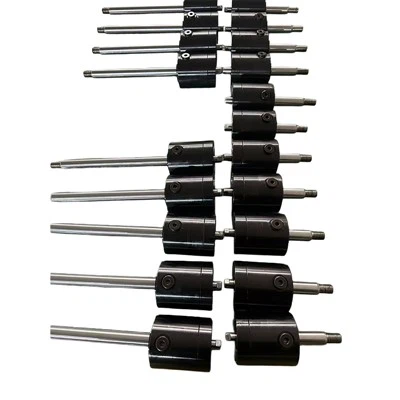
If you’re in the market for high – quality welded hydraulic cylinders, I’d love to have a chat with you. Whether you have questions about installation, need help choosing the right cylinder for your application, or are ready to place an order, don’t hesitate to reach out. We’re here to provide you with the best products and support.
Industrial Hydraulic Systems References:
- Hydraulic Cylinder Handbook, various industry publications
- Manufacturer’s technical manuals for welded hydraulic cylinders
Wuhu Zhongye Fluid Equipment Co., Ltd.
We are one of the most experienced welded hydraulic cylinder manufacturers and suppliers in China, specialized in providing high quality customized products. Please feel free to wholesale bulk durable welded hydraulic cylinder in stock here from our factory. Contact us for quotation.
Address: No. 2, Hexing Road, Sanshan District, Wuhu City, Anhui Province
E-mail: zhongyehydro20@163.com
WebSite: https://www.zhongyehydro.com/
