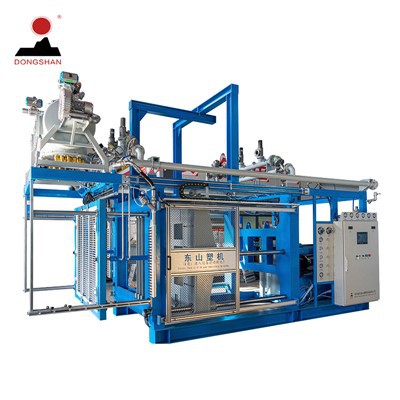
EPS (Expanded Polystyrene) shape molding machines are crucial in various industries, including packaging, construction, and automotive, for producing lightweight and durable foam products. However, one common and troublesome issue that operators and manufacturers often encounter is mold corrosion. As a supplier of EPS shape molding machines, I have witnessed firsthand the negative impacts of mold corrosion on production efficiency, product quality, and overall equipment lifespan. In this blog post, I will delve into the main reasons for mold corrosion in an EPS shape molding machine, providing valuable insights for both our current and potential customers. EPS Shape Molding Machine
1. Chemical Reactions with EPS Materials
EPS is a polymer made from styrene monomers. During the molding process, the EPS beads are expanded and fused together under heat and pressure. However, the EPS material itself may contain certain additives or impurities that can react with the mold surface. For example, some flame – retardant additives in EPS can release corrosive substances when heated. These substances, such as halogen – containing compounds, can react with the metal of the mold, leading to the formation of metal salts and corrosion products.
Moreover, the steam used in the EPS molding process can also play a role. Steam is a common medium for heating and expanding the EPS beads. But it may carry trace amounts of acidic or alkaline substances from the water source. If the water used to generate steam has a high mineral content or is contaminated, these substances can deposit on the mold surface and initiate corrosion. For instance, water with a high sulfur content can react with the iron in the mold steel, forming iron sulfide, which is a form of corrosion.
2. Environmental Factors
The environment in which the EPS shape molding machine operates has a significant impact on mold corrosion. High humidity is one of the most common environmental factors. When the relative humidity in the workshop is above 60%, the moisture in the air can condense on the cold mold surface. This thin layer of water acts as an electrolyte, facilitating electrochemical corrosion reactions. The metal atoms on the mold surface lose electrons and dissolve into the water film, while oxygen in the air gains electrons at the cathode area, forming hydroxide ions. These hydroxide ions can further react with the metal ions to form metal hydroxides, which eventually turn into rust.
In addition to humidity, the presence of corrosive gases in the air can also accelerate mold corrosion. In industrial areas, the air may contain sulfur dioxide, nitrogen oxides, and other pollutants. These gases can dissolve in the water film on the mold surface, forming acidic solutions. For example, sulfur dioxide reacts with water to form sulfurous acid, which can corrode the mold metal rapidly. Even in a relatively clean workshop, the fumes generated during the EPS molding process, such as styrene vapor, can have a corrosive effect on the mold over time.
3. Improper Maintenance and Cleaning
Proper maintenance and cleaning are essential for preventing mold corrosion. However, many operators may overlook some key aspects. One common mistake is the use of inappropriate cleaning agents. Some harsh cleaning chemicals can damage the protective coating on the mold surface, exposing the bare metal to corrosive substances. For example, using a strong acid – based cleaner to remove stubborn EPS residues can etch the mold surface and promote corrosion.
Another issue is the lack of regular cleaning. EPS residues can accumulate on the mold surface during the molding process. If these residues are not removed in a timely manner, they can trap moisture and corrosive substances, creating a micro – environment that is conducive to corrosion. Moreover, if the mold is not dried thoroughly after cleaning, the remaining water can lead to rust formation.
Lack of lubrication is also a factor. The moving parts of the mold, such as slides and ejector pins, need proper lubrication to reduce friction and prevent wear. If the lubricant is not applied regularly or if the wrong type of lubricant is used, it can not only affect the performance of the mold but also lead to corrosion. Some lubricants may contain additives that can react with the mold metal or attract dust and moisture, accelerating the corrosion process.
4. Design and Material Selection of the Mold
The design and material of the mold itself can influence its susceptibility to corrosion. Poor mold design can lead to areas where moisture and corrosive substances can accumulate. For example, if the mold has sharp corners or crevices, water and EPS residues are more likely to collect in these areas, increasing the risk of corrosion. In addition, the drainage channels in the mold may be insufficient or blocked, preventing the proper removal of water and steam condensate.
The choice of mold material is also crucial. Different types of steel have different corrosion resistance properties. Some low – quality steels may not have sufficient alloying elements to resist corrosion effectively. For example, carbon steel is more prone to rusting compared to stainless steel. Even among stainless steels, the grade and quality can vary significantly. A mold made of a low – grade stainless steel may still corrode under certain harsh conditions, such as high humidity and the presence of corrosive chemicals.
5. Operational Conditions
The operational conditions of the EPS shape molding machine can also contribute to mold corrosion. Frequent temperature changes during the molding process can cause thermal stress on the mold. When the mold is heated and cooled repeatedly, the metal expands and contracts, which can lead to the formation of micro – cracks on the surface. These micro – cracks provide pathways for corrosive substances to penetrate the mold, accelerating the corrosion process.
Over – pressure during the molding process can also damage the mold surface. If the pressure applied during the EPS molding is too high, it can cause deformation of the mold, exposing new metal surfaces that are more vulnerable to corrosion. Additionally, the duration of each molding cycle can affect the mold. A long – cycle time may result in the mold being exposed to high – temperature and high – humidity conditions for a longer period, increasing the risk of corrosion.
Impact of Mold Corrosion
Mold corrosion can have several negative impacts on the EPS shape molding process. Firstly, it can reduce the quality of the molded products. Corroded mold surfaces can cause uneven heating and cooling of the EPS beads, resulting in products with inconsistent density, shape defects, and surface roughness. This can lead to a high rejection rate and increased production costs.
Secondly, mold corrosion can shorten the lifespan of the mold. As the corrosion progresses, the structural integrity of the mold is compromised, and it may become unusable before its expected service life. This means that the manufacturer needs to invest in new molds more frequently, increasing the overall equipment cost.
Finally, mold corrosion can also affect the production efficiency. Corroded molds may require more frequent maintenance and cleaning, which can lead to production downtime. In addition, the presence of corrosion products on the mold surface can cause friction and sticking during the ejection of the molded products, slowing down the production process.
Solutions and Preventive Measures
To prevent mold corrosion, several measures can be taken. Firstly, it is important to select the right mold material. For applications where corrosion resistance is critical, high – quality stainless steel or other corrosion – resistant alloys should be used. Proper surface treatment, such as electroplating or nitriding, can also enhance the corrosion resistance of the mold.
Secondly, the operating environment should be controlled. The workshop should be kept at a relatively low humidity level, preferably below 60%. Air filtration systems can be installed to remove corrosive gases and pollutants from the air. Additionally, proper ventilation is necessary to ensure the timely removal of fumes generated during the EPS molding process.
Thirdly, regular maintenance and cleaning are essential. Use mild and appropriate cleaning agents to remove EPS residues without damaging the mold surface. After cleaning, make sure to dry the mold thoroughly. Apply high – quality lubricants to the moving parts of the mold regularly.
Finally, optimize the operational conditions of the EPS shape molding machine. Avoid over – pressure and excessive temperature changes during the molding process. Adjust the molding cycle time to minimize the exposure of the mold to high – temperature and high – humidity conditions.
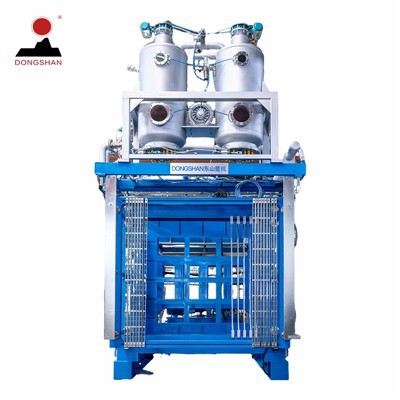
As a leading supplier of EPS shape molding machines, we understand the importance of mold corrosion prevention. Our machines are designed with high – quality materials and advanced technologies to minimize the risk of mold corrosion. We also provide comprehensive after – sales services, including maintenance training and technical support, to help our customers keep their molds in good condition.
EPS Shape Molding Machine If you are facing issues with mold corrosion in your EPS shape molding process or are looking for a reliable EPS shape molding machine supplier, we are here to help. Contact us to discuss your specific requirements and explore how our products and services can meet your needs. We are committed to providing you with the best solutions for efficient and cost – effective EPS production.
References
- ASM Handbook Committee. (2017). ASM Handbook, Volume 13A: Corrosion: Fundamentals, Testing, and Protection. ASM International.
- Dieter, G. E. (1986). Mechanical Metallurgy. McGraw – Hill.
- Hutchings, I. M. (1992). Tribology: Friction and Wear of Engineering Materials. Edward Arnold.
Hangzhou Fuyang Dongshan Plastic Machinery Co., Ltd.
Hangzhou Fuyang Dongshan Plastic Machinery Co., Ltd. is one of the most professional EPS shape molding machine manufacturers and suppliers in China, featured by quality products and low price. Please feel free to wholesale advanced EPS shape molding machine made in China here and get quotation from our factory. Customized orders are welcome.
Address: 101 Guanting, Baiqian Villige, Luzhu Town, Fuyang District, Hangzhou City, Zhejiang Province, China
E-mail: xu@dong-shan.cn
WebSite: https://www.epseppmachinery.com/
