If you’ve ever run a magnetic polishing machine, you know the biggest variable that makes or breaks your finish is right there in the loose, metallic granules swirling inside the chamber. Walk into any metal finishing shop, and half the questions I get are not about the machine itself, but about choosing the right magnetic media. I’ve been supplying magnetic polishing machines and matching media for over a decade, and I’ve watched new operators grab the first bag they see, only to end up with scratched parts, inconsistent finishes, or media that wears out in a week. This isn’t rocket science, but it’s specific enough that skipping the details will cost you. Let me break down exactly how to choose magnetic media that works for your parts, your machine, and your production goals. Magnetic Polishing Machine

First, let’s start with the core truth: magnetic media isn’t a one-size-fits-all product. It’s engineered to work with the rotating magnetic field of your polishing machine. Traditional steel shot or glass beads don’t react to that magnetic field, so they sit still in the chamber instead of tumbling and striking your parts. The right media is usually a ferrous core coated in a second material, designed to balance magnetism, hardness, and finishing action. Before you even look at media specs, start with two non-negotiables: the material of your parts and the finish you need. I learned this the hard way early on, when I sold a batch of carbon steel media to a shop polishing 316 stainless steel medical parts. They ran the machine for two hours, and instead of getting a smooth polish, they ended up with tiny, rust-like specks embedded in the stainless. Turns out, the carbon steel media was too soft, and microscopic steel particles wore off and fused to the harder stainless steel surface. That mistake taught me to always start with part material compatibility before anything else.
Let’s dive into part material first. If you’re working with soft metals—aluminum, brass, copper, or even mild steel—your priority is to avoid scratching the part. Soft metals are prone to gouging from too-hard media, so you need a media that’s durable enough to not wear out fast, but soft enough that it won’t mar the part’s surface. For aluminum motorcycle handlebars, for example, I recommend ceramic-coated steel media. The ceramic outer layer is hard enough to last for hundreds of cycles, but it’s smooth enough that it won’t leave scratches on soft aluminum. For brass jewelry components, we use nylon-coated stainless steel media. The nylon coating is thin but tough, and it prevents discoloration that sometimes happens when bare steel touches brass during long polishing runs.
For hard metals—304/316 stainless steel, tool steel, titanium—you need something that can cut through oxide layers, sharp edges, or slight surface imperfections without wearing down itself. These parts need aggressive finishing, so bare carbon steel media is often the go-to here. Carbon steel is highly magnetic, dense, and tough, so it delivers a strong tumbling action that quickly breaks down burrs and creates a satin finish. I always warn shops using carbon steel for stainless steel parts that they need to add a rust inhibitor to their polishing fluid, though. Even minor wear on the media can leave tiny iron particles, so a little rust prevention goes a long way to keep parts clean. If you need a slightly less aggressive option for hard metals that can’t risk even minor iron contamination—like aerospace titanium parts that will go into engine components—we offer pure stainless steel media. It’s magnetic enough to work in most standard machines, softer than carbon steel, and won’t transfer iron to the part surface, but it’s still durable enough to handle heavy finishing work.
Next, shape and size of the media, which sounds trivial until you have parts that get stuck or finish unevenly. Media shape is all about accessibility to part surfaces. If you’re polishing small, intricate components—like dental implants, watch parts, or fasteners with threaded holes—you need small, uniform media that can get into crevices and holes without getting trapped. Our most popular media for these parts is spherical media, usually 1mm to 3mm in diameter. Spheres roll easily, reach tight spaces, and create a consistent, smooth finish across every surface. For larger, simpler parts—like automotive valve covers, industrial pump housings, or bike frames—cylindrical or bar-shaped media works better. Cylinders have more surface area to strike the part, so they remove material faster than spheres, which means shorter cycle times and fewer passes. The only downside with cylindrical media is that you have to make sure the parts you’re polishing have no gaps smaller than the diameter of the cylinder, or the media will get wedged and cause scratches. I once had a customer send me a panicked call because his media was stuck in the cooling fins of aluminum engine heads; he’d ordered 5mm cylindrical media, and the gaps between fins were only 4mm. We swapped him for 2mm spherical media, and he got a perfect finish without any stuck media.
Size also ties to part size. This is a rule of thumb I share with every new client: the largest dimension of your media should be at least one-third the size of the smallest gap or feature on your part. If you’re polishing small parts, like 10mm screws, using 8mm media might seem like it will cover the part better, but the media is too large to get into the head of the screw, leaving unpolished areas. If you’re polishing large parts, like a 1-meter long industrial shaft, using 1mm media means you’ll need so much volume of media that your machine will overwork, and the media will bounce off the hard part surface instead of creating a controlled tumble. For large parts, we recommend 8mm to 12mm cylindrical media, which is dense enough to deliver consistent force without wasting power.
Then there’s the factor that most operators overlook: your specific magnetic polishing machine. Not all machines produce the same magnetic field, and that changes which media will work best. Let’s be clear: magnetic polishing machines have variable magnetic field strength based on the number of magnets, their arrangement, and the rotation speed of the chamber. A compact benchtop machine for small parts, like the ones we sell for small-scale manufacturing, has a weaker magnetic field. You can’t use dense, heavy carbon steel media in a benchtop machine with a weak field, because the media won’t lift enough to tumble. It will just sit at the bottom of the chamber, rubbing against the part instead of striking it. For these machines, we recommend lighter, less dense media—ceramic-coated steel or stainless steel media, in smaller sizes. The weaker magnetic field can lift this lighter media, and it still delivers enough finishing action for small, delicate parts.
On the other end, large industrial magnetic polishing machines, used for parts like medical device housings or agricultural equipment components, have much stronger magnetic fields. These machines can easily lift dense, heavy carbon steel media, and the higher rotation speed means the media tumbles faster, creating more finishing force. If you use light media in an industrial machine, it will tumble too fast, bounce around the chamber, and cause scratches on your parts. I tell clients with industrial machines to match their media weight to the machine’s power: stronger field = denser media, which means faster cutting and longer media life.
Don’t forget about media life and operating costs, either. It’s easy to just look at the upfront price of a bag of media, but the cost over time will add up faster than you think. Bare carbon steel media is cheap upfront, but it wears out quickly—usually 20 to 30 polishing cycles. You have to replace it every few weeks, which adds labor and material cost, especially if you’re running 24/7 production. Ceramic-coated or nylon-coated media costs 20 to 30% more upfront, but it can last 60 to 100 cycles, and because the outer coating is harder, it doesn’t shed particles that can scratch parts. For shops running high-volume production, that upfront cost is almost always worth it. I recently worked with a medical parts manufacturer who switched from bare steel to coated media; their media replacement cost dropped by 45% in six months, and their part reject rate went down by 12%, because the coated media didn’t leave micro-scratches. There’s a middle ground too: if you’re not running full production, but still need consistent finishes, stainless steel media is a good balance. It’s more durable than bare steel, cheaper than coated media, and works for most part types, as long as you watch for iron contamination on harder parts.
Wait, let’s address a common myth I hear all the time: that more media is better. I’ve had customers call me saying their finish is terrible, and when I ask how much media they’re using, they tell me they filled the chamber to the top. That’s a mistake. Magnetic polishing machines work best when the media volume is 30 to 50% of the chamber’s total volume. Too little media, and you don’t have enough tumbling force to strike parts evenly. Too much media, and the media can’t move freely, so it gets stuck, leading to uneven finishes and increased wear on the machine. That’s another part of choosing the right media: making sure your batch size matches the media volume. If you have a chamber that holds 50 liters of total material, you’d use 15 to 25 liters of media, plus 25 to 35 liters of polishing fluid and water, for most standard runs.
Let me wrap this up with a practical example, to tie all this together. Say you’re a small shop polishing 316 stainless steel surgical clips, which are small, intricate, and need a smooth, burr-free finish with zero iron contamination. Your machine is a benchtop unit for small parts, with a weak magnetic field. What media do you choose? First, part material: stainless steel, so you need media that won’t transfer iron, so skip bare carbon steel. Part size: surgical clips are about 5mm long, so media size should be at least 2mm (one-third of 5mm, to fit into the clip holes). Machine field strength: weak, so don’t use dense 8mm cylinders, they won’t tumble. Shape: spherical is best for getting into clip holes. Coating: no need for coating here, but stainless steel is safe. So you’d pick 2mm spherical stainless steel media. That’s exactly what we recommend, and it’s worked for dozens of surgical part shops over the years.
If you’re a medium-sized shop polishing aluminum automotive brake calipers, which are large, soft, and need a smooth, scratch-free satin finish. Your machine is a mid-sized industrial unit with a medium magnetic field. Part material: soft aluminum, so you need durable media that won’t scratch. Part size: calipers are 20cm long, so media should be 6mm to 8mm. Shape: cylindrical, for more surface area to remove light oxidation. Coating: ceramic-coated steel, hard enough to last, smooth enough to avoid scratches. That’s the perfect match, and you can run that batch for 40 to 50 cycles before needing to replace a portion of the media, which keeps your operating costs low.
At the end of the day, choosing the right magnetic media boils down to asking three simple questions: what are my parts made of, what finish do I need, and what machine am I using? Too many operators skip this step, grab the cheapest media they can find, and end up with wasted time, rejected parts, and higher costs long-term. I’ve spent years refining this process, working with shops of all sizes, from small jewelry makers to large aerospace manufacturers, and I can tell you that matching media to your exact needs isn’t hard—it just takes paying attention to the details.
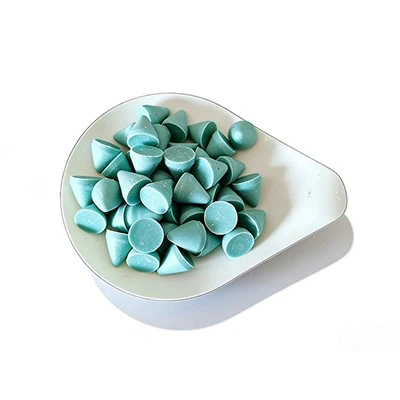
If you’re not sure what media is right for your magnetic polishing machine, or you need help troubleshooting a current setup, I’m here to help. We work with clients to match media to their specific parts and machines, offer testing services to trial media before committing to large orders, and provide ongoing support to make sure your polishing runs smoothly. Don’t waste another batch of parts on the wrong media—reach out to discuss your requirements today.
Grinding Parts Separator References
- Tsuwa, H. (2019). Magnetic Finishing Technology: Principles and Industrial Applications. Journal of Precision Engineering and Manufacturing, 20(6), 987-998.
- Smith, J. D. (2021). Selection Criteria for Media in Magnetic Abrasive Finishing Processes. International Journal of Machine Tools and Manufacture, 168, 103789.
- Brown, L. K. (2020). Media Wear and Compatibility in Magnetic Polishing Systems. Proceedings of the 12th International Conference on Material Removal Processes, 45-52.
- American Society for Metals. (2018). Finishing of Small Precision Parts: A Guide to Magnetic Media Selection. ASM International Handbook, Volume 5: Surface Engineering.
Dongguan Xindingsheng Intelligent Grinding Technology Co., Ltd.
Dongguan Xindingsheng Intelligent Grinding Technology Co., Ltd. is one of the most reliable magnetic polishing machine manufacturers and suppliers in China, also supports customized service. Please feel free to wholesale bulk high quality magnetic polishing machine in stock here from our factory. Contact us for pricelist.
Address: Room 101, Building 1, No. 73 Dahuangmei Road, Dalingshan Town, Dongguan City, Guangdong Province, China
E-mail: cndskj@126.com
WebSite: https://www.xdsfinishing.com/
