If you’ve ever walked across a factory platform, stood on a warehouse mezzanine, or glanced at a drainage cover on a city sidewalk, you’ve probably seen steel grating. It’s that stuff—lattice-like, rugged, and way more versatile than it looks. But if someone stopped you and asked, “What color is steel grating?” you might not have a solid answer. It’s not as simple as saying “silver” or “gray” because the color changes depending on what it’s made of, how it’s treated, and where it’s used. As a steel grating supplier who’s been in this game for years, I’ve had to explain this exact thing to contractors, engineers, and even small business owners dozens of times. Let’s break it down like we’re chatting over a coffee, no fancy jargon required. Steel Grating
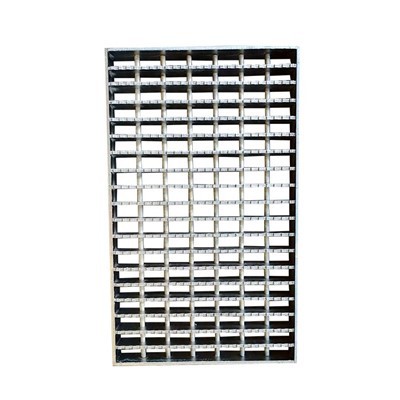
First off, let’s start with the basics: raw steel grating, straight from the mill. That’s the stuff before any coating or finishing. It’s made from carbon steel, right? Fresh off the production line, it has a dull, matte gray color—think of a new hammer you buy from the hardware store, the kind that’s not shiny but not rusty yet. It’s not bright silver like stainless steel, either. Carbon steel has a bit of a brownish undertone to that gray, because it has small amounts of other elements like iron and carbon that change how light reflects off the surface. I’ve loaded tons of raw uncoated grating onto trucks, and everyone who sees it goes, “Oh, that’s just gray metal.” Fair, but that’s only the starting point. Most of the grating you actually use is modified with some kind of finish, because raw carbon steel rusts if it’s exposed to moisture or chemicals. Rust isn’t a color we want, especially for things people walk on.
Now the most common finish: hot-dip galvanizing. This is the go-to for 90% of the grating we sell. Here’s how it works: we dip the raw carbon steel grating into a molten zinc bath (like, super hot, around 840 degrees Fahrenheit) and pull it out. The zinc bonds chemically to the steel, creating a layer that stops rust. The color here? It’s not uniform. That’s a big point I tell people—galvanized steel grating doesn’t come in a single shade. Some pieces are a light, silvery-gray with a bit of a spangle, that’s the shiny, spotty pattern you might’ve seen on galvanized fence posts. Other pieces, especially thicker grating or ones that sat a little longer in the zinc bath, end up a darker, charcoal gray, almost like gunmetal. I remember one customer who complained to us once that his new grating was a different color than the sample we sent. Turns out, the sample was thinner, so it took less zinc and stayed lighter; the order was thicker, so it absorbed more zinc, making it darker. That’s not a defect—that’s just how hot-dip galvanizing works. The zinc reacts with the steel, so the thickness of the steel and even the temperature of the bath can tweak the color. It’s a quirk, but it’s totally normal.
Then there’s stainless steel grating, which is for places where corrosion is extra bad—like food processing plants, chemical facilities, or coastal areas where salt air eats away at metal. Stainless steel is a mix of iron, chromium, and other metals, so it naturally resists rust without needing a zinc coat. What color is that? It’s a lot brighter and more uniform than galvanized carbon steel. Think of a stainless steel fridge— that’s the color. It’s a shiny, silvery-gray, with almost no variation. I’ve sold a lot of stainless steel grating to breweries, actually. They need something that won’t taint their beer, and the shiny silver color looks clean, too. No rust spots, no messy patches, so it fits their vibe. The only downside? Stainless steel is way more expensive than carbon steel, so most people only use it when they can’t get away with galvanized.
Wait, what about powder coating? A lot of factories and warehouses want their grating to match their interior, or just to have a specific color that stands out. We do custom powder coating all the time, so I’ve seen every color under the sun. We’ve done bright yellow for factory safety lines (so people don’t walk too close to a grating edge near heavy machinery), black for mezzanines that blend into dark industrial spaces, even light gray for offices that use grating for balconies. Powder coating is a dry paint that we spray onto the grating, then bake it on. The color here is totally up to what the customer wants. I once had a retail client who wanted grating for a store’s outdoor deck, and they picked a custom navy blue to match their brand. It looks way more polished than plain metal. The only thing I always warn people about is that powder coated grating will scratch if you drag heavy stuff over it, and the finish will fade a little if it’s in direct sun for years. But for indoor or covered areas, it’s perfect.
I should also mention weathered steel grating, sometimes called Corten steel. That’s a special type of steel that develops a rust-like patina when exposed to the elements. It’s not just plain rust— it stabilizes after a few months, so it doesn’t keep corroding. The color here is a deep, reddish-brown, like old barn wood or a rusted fence. We sell this for outdoor projects, like park walkways or stadium steps. It’s super popular with architects now because it looks industrial and timeless, and the color ages naturally instead of peeling or fading. A lot of people mix this up with regular rusted steel, but regular rusted grating is basically garbage— it’s flaky, it sheds rust onto whatever’s under it, and it’s unsafe to walk on. Corten is a controlled patina, so it’s durable and consistent. I once helped a city park install Corten grating for a new overlook, and they love how it blends in with the red rocks around it, no need for painting or maintenance.
Now, let’s talk about a common misconception: a lot of people think all steel grating is silver or gray, but that’s just the most obvious case. I’ve had contractors call me up panicking because they ordered “silver” grating and got something darker. I always walk them through the finish options first, because that’s where the color comes from. Raw uncoated is dull gray, galvanized is range of grays, stainless is shiny silver, powder coating is any color, Corten is reddish-brown. No magic here, just how the material is processed.
Another thing I’ve learned over the years: the color also depends on how you maintain it. Galvanized grating will start to look a little duller over time if it’s outside, because dirt and grime build up. You can pressure wash it once a year to bring back a little of that bright silver-gray shine. Stainless steel, on the other hand, will get smudgy if you touch it with dirty hands, so we recommend a quick wipe down every few months. Powder coated? If you get a scratch, the metal underneath might start to rust eventually, so we always tell customers to touch up small scratches with a matching spray paint. Corten just keeps getting richer in color the longer it’s outside, so that’s one of the nice things about it— it looks better with age, not worse.
As a supplier, this is one of the questions I get all the time, and it makes sense. When you’re buying grating for a big project, you don’t want to show up on site with something the wrong color. I once had a customer order 500 square feet of galvanized grating for a warehouse expansion, and they thought it was going to be a uniform light gray. When it arrived, some pieces were darker, so they almost sent it back. But once I explained that the color variation is normal for hot-dip galvanizing, they were fine with it. Turns out, their manager just didn’t know that fact, so it’s my job to tell them. That’s why I always send sample photos of actual products, not just catalog images, so people can see the color range they’re getting.
So to wrap this up: the color of steel grating isn’t a single answer. It’s determined by the type of steel (carbon vs stainless), the finish (galvanized, powder coat, Corten), and even the environment it’s in. It’s not just a pretty detail— the color often ties into safety, cost, and how well the grating works for its job. Bright yellow, for example, isn’t just a choice for looks; it’s there to mark a hazard zone. Shiny stainless isn’t just shiny; it’s for places where cleanliness is non-negotiable.

If you’re planning a project and need the right steel grating that fits your color, budget, and durability needs, feel free to reach out to our team to chat through options. We can walk you through the color differences, send real samples, and make sure you get exactly what you need. No confusing jargon, no hidden fees, just straight answers about steel grating.
Barbed Wire References:
- American Galvanizers Association. (2022). Hot-Dip Galvanizing for Steel Structures.
- Stainless Steel Industry Association. (2021). Grating Applications for Corrosive Environments.
- Steel Manufacturers Association. (2020). Corten Steel Properties and Uses.
- Powder Coating Manufacturers Association. (2019. Custom Finishes for Industrial Metal Products.
Hebei Richen Wire Mesh Products Co., Ltd.
We’re well-known as one of the leading steel grating manufacturers and suppliers in China, also support customized service. We warmly welcome you to buy high quality steel grating for sale here from our factory. For price consultation, contact us.
Address: B-15, Ruilian Industrial Park, Raoyang County, Hengshui City, Hebei Province, China
E-mail: zgrc985@gmail.com
WebSite: https://www.rcgrating.com/
