As a supplier of IEEE1394 cables, ensuring the functionality of these cables is of utmost importance. Not only does it uphold the quality of our products, but it also guarantees that our customers receive reliable and efficient solutions for their data transfer needs. In this blog, I’ll share some practical methods and steps to test an IEEE1394 cable for functionality. IEEE1394 Cable
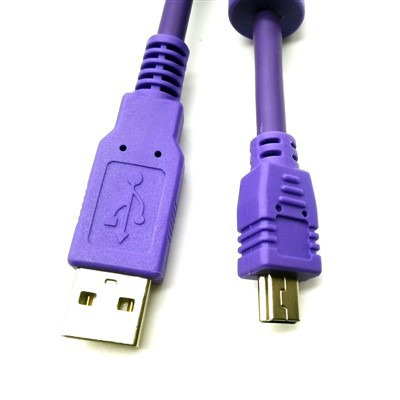
Understanding IEEE1394 Cables
Before delving into the testing process, it’s essential to have a basic understanding of IEEE1394 cables. Also known as FireWire cables, IEEE1394 cables are used for high – speed data transfer between devices. They come in different types, such as 4 – pin and 6 – pin configurations, and support various data transfer rates, including 100Mbps, 200Mbps, and 400Mbps. These cables are commonly used to connect devices like digital cameras, camcorders, external hard drives, and audio interfaces to computers.
Visual Inspection
The first step in testing an IEEE1394 cable is a visual inspection. This is a simple yet crucial process that can identify obvious physical damages.
- Check for Cuts and Abrasions: Carefully examine the entire length of the cable for any cuts, nicks, or abrasions. These damages can expose the internal wires, leading to short circuits or signal loss. If you find any cuts, the cable may need to be replaced.
- Inspect the Connectors: Look at the connectors at both ends of the cable. Check for bent or broken pins. Bent pins can prevent proper connection with the device, while broken pins may render the cable useless. Also, make sure the connectors are clean and free from dirt, dust, or corrosion. If the connectors are dirty, you can use a small brush or compressed air to clean them.
Testing with a Multimeter
A multimeter is a versatile tool that can be used to test the electrical continuity of an IEEE1394 cable.
- Set the Multimeter: Set the multimeter to the continuity or resistance mode. In continuity mode, the multimeter will emit a beep if there is a complete electrical path. In resistance mode, it will display the resistance value of the cable.
- Test the Pins: Connect the multimeter probes to the corresponding pins on both ends of the cable. For example, connect the probes to pin 1 on one end and pin 1 on the other end. Repeat this process for all the pins in the cable. If the multimeter beeps (in continuity mode) or shows a low resistance value (in resistance mode), it indicates that the pin has a good electrical connection. If there is no beep or a very high resistance value, there may be a break in the wire for that pin.
Testing with Compatible Devices
The most practical way to test an IEEE1394 cable is by using it to connect compatible devices.
- Prepare the Devices: You will need a computer with an IEEE1394 port and a device that supports IEEE1394, such as a digital camera or an external hard drive. Make sure both devices are turned off before connecting the cable.
- Connect the Cable: Connect one end of the IEEE1394 cable to the IEEE1394 port on the computer and the other end to the IEEE1394 port on the device.
- Power On the Devices: Turn on the device first, followed by the computer. If the computer recognizes the device, it means the cable is functioning properly. For example, if you connect a digital camera, the computer should be able to detect the camera and display its contents. If the device is not recognized, try the following troubleshooting steps:
- Check the Device Settings: Make sure the device is set to the correct mode for IEEE1394 connection. Some devices may have different connection modes, such as USB or IEEE1394.
- Try Another Port: If the device is not recognized, try connecting the cable to a different IEEE1394 port on the computer. Sometimes, a port may be faulty.
- Test with Another Cable: If possible, try using another IEEE1394 cable to connect the device. If the device is recognized with the other cable, it means the original cable is defective.
Testing Data Transfer
Once the device is recognized, it’s important to test the data transfer functionality of the cable.
- Transfer Data: Copy a large file, such as a high – definition video or a large photo album, from the device to the computer or vice versa. Monitor the transfer speed and make sure there are no errors during the transfer. If the transfer is slow or interrupted, it may indicate a problem with the cable.
- Check Data Integrity: After the transfer is complete, compare the original file and the transferred file to ensure that the data is intact. You can use file comparison tools to check for any differences.
Testing for Signal Interference
Signal interference can affect the performance of an IEEE1394 cable.
- Isolate the Cable: Keep the cable away from other cables, especially power cables, as they can cause electromagnetic interference. If possible, use cable organizers to separate the IEEE1394 cable from other cables.
- Use Shielded Cables: Shielded IEEE1394 cables are designed to reduce signal interference. If you are experiencing problems with signal interference, consider using a shielded cable.
Conclusion
Testing an IEEE1394 cable for functionality is a multi – step process that involves visual inspection, electrical testing, and practical usage with compatible devices. By following these steps, you can ensure that the cable is in good working condition and provides reliable data transfer.
USB Cable As a supplier of IEEE1394 cables, we are committed to providing high – quality products. Our cables undergo strict quality control procedures, including the testing methods mentioned above, to ensure their functionality. If you are in need of IEEE1394 cables for your data transfer requirements, we invite you to reach out to us for a purchase negotiation. We can offer you a wide range of cable options to meet your specific needs.
References
- "IEEE 1394 Standard for a High – Performance Serial Bus". Institute of Electrical and Electronics Engineers.
- "FireWire Technology Guide". Various industry technical resources.
Karobert Technology LLC Karobert Trading PTE. LTD.
We’re known as one of the most professional ieee1394 cable manufacturers and suppliers in China, also support customized service. Please feel free to buy high quality ieee1394 cable made in China here from our factory. For price consultation, contact us.
Address: 6250 S 196th St, Kent, WA, 98055, USA.
E-mail: karl@karobert-us.com
WebSite: https://www.karobert-us.com/
