Hey there! As a supplier of fungicides, I’ve seen firsthand how important it is to keep the equipment used for applying these products clean. Not only does it ensure the effectiveness of the fungicide, but it also extends the lifespan of your equipment. In this blog post, I’m gonna walk you through the steps to properly clean your fungicide application equipment. Fungicides

Why Cleaning Your Equipment Matters
First off, let’s talk about why cleaning is so crucial. When you’re applying fungicides, the active ingredients stick to the surfaces of your equipment. If you don’t clean it regularly, these residues can build up and cause a bunch of problems. For one, it can clog the nozzles and hoses, which means your fungicide won’t be sprayed evenly. That can lead to areas not getting enough protection and other areas getting too much, which is not only wasteful but can also damage your crops.
Secondly, leaving fungicide residues in your equipment can cause corrosion over time. Different fungicides have different chemical compositions, and some of them can be quite harsh on metal and plastic parts. Regular cleaning helps prevent this corrosion and keeps your equipment in good working condition for longer.
Pre – Cleaning Steps
Before you start the actual cleaning process, there are a few things you need to do. First, make sure you’re wearing the right protective gear. This includes gloves, goggles, and a respirator if necessary. You don’t want to get any leftover fungicide on your skin or breathe in the chemicals.
Next, empty the equipment completely. If there’s any leftover fungicide in the tank or container, transfer it to a proper storage container. Don’t just pour it down the drain or on the ground, as it can contaminate the environment.
Once the equipment is empty, remove any detachable parts like nozzles, strainers, and hoses. These parts are more likely to get clogged with residues and can be cleaned separately for a more thorough job.
Cleaning the Tank
Now, let’s focus on cleaning the main tank. Fill the tank about a third full with clean water. Then, add a cleaning agent. You can use a mild detergent or a specialized equipment cleaner designed for agricultural chemicals. Make sure you follow the instructions on the cleaner’s label for the right dilution ratio.
Stir the water and cleaner solution well to create a soapy mixture. Let the solution sit in the tank for about 15 – 20 minutes. This gives the cleaner time to break down the fungicide residues.
After the soaking time, use a long – handled brush to scrub the inside of the tank. Pay special attention to the corners and seams where residues tend to collect. You can also use a pressure washer if you have one, but be careful not to damage the tank.
Once you’ve scrubbed the tank, drain the soapy water. Then, rinse the tank thoroughly with clean water at least two or three times. Make sure all the cleaning agent and fungicide residues are removed.
Cleaning the Nozzles and Hoses
The nozzles are really important because they control how the fungicide is sprayed. To clean the nozzles, soak them in a container filled with a cleaning solution. You can use the same detergent or cleaner you used for the tank. Let the nozzles soak for at least 30 minutes to an hour to loosen up any clogs.
After soaking, use a fine – pointed brush, like a toothbrush, to gently scrub the nozzles. This will remove any remaining residues. Then, rinse the nozzles under running water until the water runs clear.
For the hoses, start by flushing them with clean water. You can do this by attaching one end of the hose to a water source and letting the water run through it for a few minutes. If there are still residues in the hose, you can fill the hose with the cleaning solution and let it sit for a while before flushing it again with clean water.
Cleaning the Other Components
Don’t forget about the other components like the strainers and pumps. Strainers can collect a lot of debris, so take them out and clean them with a brush and water. If they’re really dirty, you might need to soak them in the cleaning solution along with the nozzles.
The pumps also need some attention. Check the pump’s manual for the specific cleaning instructions. Usually, you’ll need to run a cleaning solution through the pump to remove any residues. Just make sure you follow the instructions carefully to avoid damaging the pump.
Drying and Storage
Once you’ve cleaned all the parts, it’s important to dry them thoroughly. You can use a clean cloth to wipe down the tank, nozzles, hoses, and other components. Make sure there’s no moisture left, as this can lead to rust and mold growth.
After drying, store the equipment in a cool, dry place. Keep the nozzles and other small parts in a separate container to prevent them from getting lost or damaged.
Regular Maintenance
Cleaning your equipment after each use is great, but regular maintenance is also key. Inspect your equipment regularly for any signs of wear and tear, such as cracks in the hoses or loose fittings. Replace any damaged parts as soon as possible to avoid leaks and other problems.
It’s also a good idea to keep a record of when you cleaned your equipment and when you last replaced parts. This can help you stay on top of maintenance and ensure your equipment is always in top – notch condition.
Final Thoughts
Cleaning the equipment used for applying fungicides is not only a simple task but an essential one. By following these steps, you can ensure that your equipment works effectively, lasts longer, and, most importantly, that your fungicide application is as accurate as possible.
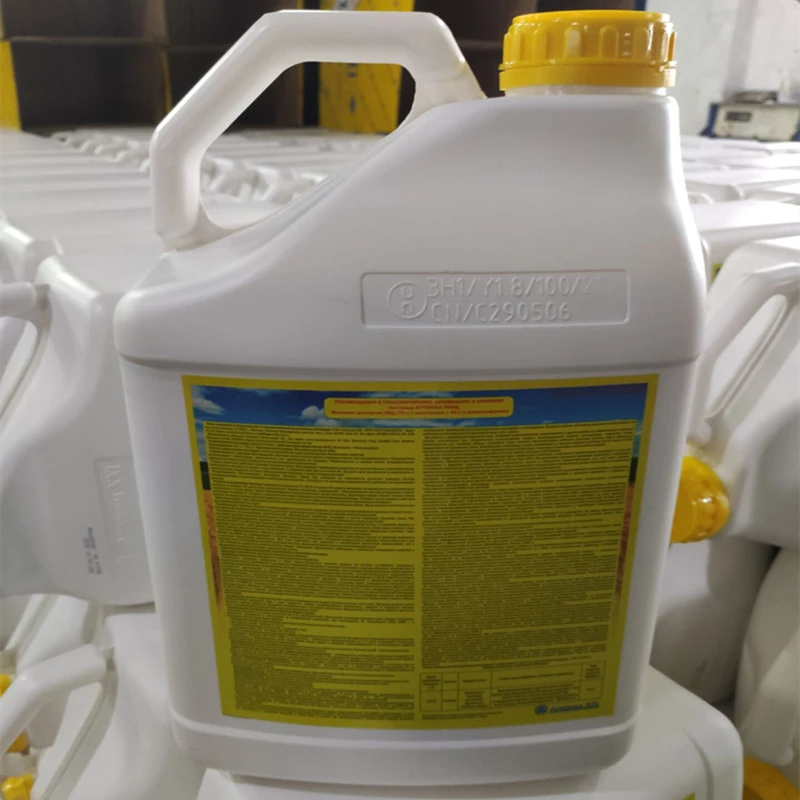
If you’re in the market for high – quality fungicides or have any questions about equipment maintenance, don’t hesitate to reach out. We’re here to help you with all your fungicide needs and make sure you get the best results for your crops. Whether you’re a small – scale farmer or a large – scale agricultural operation, we’ve got the products and expertise to support you. Come and have a chat with us about your purchasing needs, and let’s work together to keep your crops healthy and thriving!
MCPA References
- Agricultural Chemical Application Equipment Maintenance Manuals
- Industry Best Practices for Fungicide Application and Equipment Cleaning Guides
Changzhou Dayilong Bio-Tech Co., Ltd.
With abundant experience, we are one of the most professional fungicides manufacturers and suppliers in China. Please rest assured to buy bulk high quality fungicides made in China here from our factory. Good service and reasonable price are available.
Address: Hundsun Science & Technology Park 3-1, BeiTangHe Road 8, Tianning District, Changzhou City, Jiangsu, China
E-mail: Sales@dayilongbio-tech.com
WebSite: https://www.dayilongagro-chemical.com/
