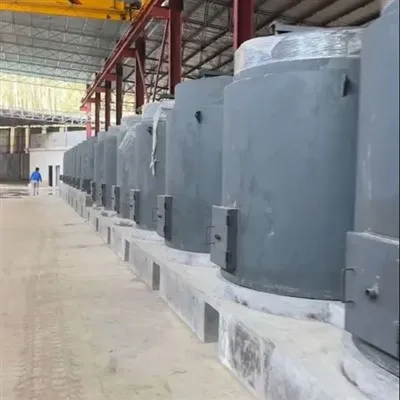
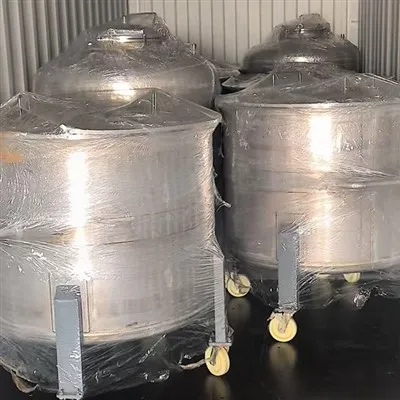
When it comes to the operation and maintenance of a PMMA (Polymethyl Methacrylate) Vacuum Tank, one of the most critical aspects is checking for leaks. As a supplier of PMMA Vacuum Tanks, I understand the importance of ensuring the integrity of these tanks for various industries that rely on them. In this blog post, I’ll share some reliable methods and best practices on how to check for leaks in a PMMA Vacuum Tank. PMMA Vacuum Tank
Why Leak Detection is Crucial
A PMMA Vacuum Tank is designed to maintain a specific level of vacuum inside it. Leaks can disrupt this vacuum, leading to a range of problems. For instance, in scientific research applications, a leaky vacuum tank can contaminate experiments, introducing unwanted external elements and affecting the accuracy of results. In industrial processes, such as vacuum forming or degassing, leaks can cause inefficiencies, reduce product quality, and even pose safety risks. Therefore, regular leak checks are essential to ensure the proper functioning of the PMMA Vacuum Tank and the success of the operations it supports.
Visual Inspection
The first step in checking for leaks in a PMMA Vacuum Tank is a visual inspection. This is a simple yet effective method that can identify obvious signs of damage or potential leak points. Start by examining the external surface of the tank. Look for any cracks, scratches, or signs of wear and tear on the PMMA material. These can be potential entry points for air or other substances, leading to leaks.
Pay close attention to the joints and connections of the tank. Check the seals around the access doors, ports, and any attached fittings. Over time, seals can degrade, become loose, or develop small holes. A damaged seal can easily allow air to enter the tank, compromising the vacuum. If you notice any visible damage to the seals, they should be replaced immediately.
It’s also important to inspect the plumbing and tubing connected to the tank. Look for any kinks, bends, or disconnections that could cause leaks. Make sure all the connections are tight and secure. If you find any issues with the plumbing, repair or replace the affected parts as necessary.
Pressure Decay Test
The pressure decay test is one of the most commonly used methods for leak detection in a PMMA Vacuum Tank. This test is based on the principle that if there is a leak in the tank, the pressure inside the tank will gradually increase over time.
To perform a pressure decay test, first, ensure that the tank is properly sealed and all the valves are closed. Then, use a vacuum pump to evacuate the air from the tank until it reaches the desired vacuum level. Once the vacuum is stable, close the valve between the tank and the vacuum pump and isolate the tank from the pump.
Monitor the pressure inside the tank using a pressure gauge. Record the initial pressure and then check the pressure at regular intervals, for example, every 10 minutes. If the pressure inside the tank starts to increase steadily, it indicates that there is a leak in the tank. The rate of pressure increase can give you an idea of the size of the leak. A significant and rapid increase in pressure suggests a large leak, while a slow and gradual increase may indicate a small leak.
If you detect a leak during the pressure decay test, you need to locate the source of the leak. One way to do this is to use a soapy water solution. Apply the soapy water to the suspected areas, such as the joints, seals, and connections. If there is a leak, the air escaping from the leak point will create bubbles in the soapy water, allowing you to identify the exact location of the leak.
Helium Mass Spectrometer Leak Detection
For more sensitive and accurate leak detection, especially when dealing with very small leaks, the helium mass spectrometer leak detection method is often used. This method is based on the principle that helium is a very small and inert gas that can easily penetrate small openings.
To perform a helium mass spectrometer leak detection, the tank is first evacuated to a high vacuum level. Then, a helium leak detector, which is a highly sensitive instrument, is connected to the tank. The outside of the tank is then sprayed with helium gas. If there is a leak in the tank, the helium will enter the tank through the leak point and be detected by the helium leak detector.
The helium mass spectrometer leak detection method can detect leaks as small as 10^-9 Pa m^3/s, making it suitable for applications that require a very high level of vacuum integrity. However, this method requires specialized equipment and trained personnel to operate, which can make it more expensive and complex compared to other leak detection methods.
Ultrasonic Leak Detection
Ultrasonic leak detection is another non – destructive method that can be used to check for leaks in a PMMA Vacuum Tank. When there is a leak in a vacuum system, the escaping air creates a high – frequency sound wave in the ultrasonic range. Ultrasonic leak detectors can pick up these sound waves and convert them into an audible signal or a visual indication.
To use an ultrasonic leak detector, simply move the detector around the exterior of the tank. The detector should be held close to the suspected areas, such as the joints, seals, and connections. When the detector detects the ultrasonic sound wave from a leak, it will emit a signal, indicating the presence of a leak.
One of the advantages of ultrasonic leak detection is that it can be used in real – time during the operation of the tank. It is also a non – invasive method that does not require the tank to be shut down or isolated. However, ultrasonic leak detection is more effective for detecting larger leaks, as small leaks may not produce a strong enough ultrasonic signal to be detected.
Maintaining Leak – Free PMMA Vacuum Tanks
Once you have identified and repaired any leaks in the PMMA Vacuum Tank, it’s important to take steps to prevent future leaks. Regular maintenance is crucial. This includes inspecting the seals and connections regularly and replacing them as soon as signs of wear appear.
Proper installation also plays a key role. Make sure the tank is installed according to the manufacturer’s specifications. Incorrect installation can put stress on the tank and its components, leading to leaks over time.
In addition, operating the tank within its specified parameters is essential. Avoid subjecting the tank to excessive pressure or temperature changes, as these can cause the PMMA material to expand or contract, potentially leading to cracks and leaks.
Conclusion
Checking for leaks in a PMMA Vacuum Tank is a critical task that ensures the proper functioning and safety of the tank. By using a combination of visual inspection, pressure decay tests, helium mass spectrometer leak detection, and ultrasonic leak detection, you can effectively identify and repair any leaks in the tank. As a PMMA Vacuum Tank supplier, I recommend regular leak checks as part of your maintenance routine to keep your tank in optimal condition.
PMMA Cracking Furnace If you are in the market for a high – quality PMMA Vacuum Tank or need more information on leak detection and maintenance, I encourage you to contact us for a detailed discussion. Our team of experts is dedicated to providing you with the best solutions for your specific needs.
References
- ASME Boiler and Pressure Vessel Code, Section VIII, Division 1. This code provides standards for the design, fabrication, and inspection of pressure vessels, which can be relevant to the operation and maintenance of PMMA Vacuum Tanks.
- ASTM International standards. ASTM has developed a series of standards related to the testing and quality control of plastic materials, including PMMA, which can be useful for evaluating the integrity of PMMA Vacuum Tanks.
- Leak Detection: Principles and Practice, written by various industry experts. This book offers in – depth information on different leak detection methods and their applications.
Wuxi Quansheng Industrial Equipment Co., Ltd.
As one of the most professional PMMA vacuum tank manufacturers and suppliers in China, we have world-leading production equipment and strong manufacturing capabilities. Welcome to buy high quality PMMA vacuum tank for sale here from our factory. For price consultation, contact us.
Address: No.10, Fulaiqiao Road, Hudai Town, Binhu District, Wuxi City, Jiangsu Province, China
E-mail: 397293586@qq.com
WebSite: https://www.pmmatech.com/
