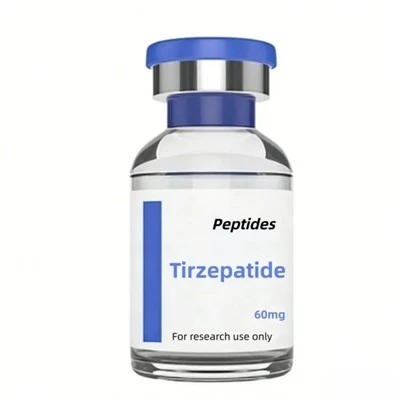
In the realm of weight management, the role of appetite regulation cannot be overstated. It stands as a cornerstone in the battle against excess weight, influencing everything from daily food intake to long – term weight loss success. As a supplier of weight loss peptides, I’ve witnessed firsthand the transformative potential these tiny molecules hold in reshaping how our bodies interact with hunger and satiety. In this blog, I’ll delve into the science behind how weight loss peptides affect appetite, exploring the mechanisms, benefits, and implications for those on a weight loss journey. Weight Loss Peptide
Understanding the Basics of Appetite Regulation
Before we explore the impact of weight loss peptides on appetite, it’s crucial to have a solid understanding of how our body controls hunger and satiety. Appetite regulation is a complex interplay of hormonal, neurological, and psychological factors.
At the hormonal level, two key players are ghrelin and leptin. Ghrelin, often referred to as the "hunger hormone," is produced in the stomach. When the stomach is empty, ghrelin levels rise, sending signals to the brain to stimulate appetite. On the other hand, leptin is produced by adipose (fat) tissue. As fat stores increase, leptin levels rise, and it signals the brain to suppress appetite, creating a sense of fullness.
Neurologically, the hypothalamus in the brain plays a central role. It receives signals from hormones, the digestive system, and other parts of the body to regulate food intake. Psychological factors such as stress, emotions, and eating habits also significantly influence appetite.
How Weight Loss Peptides Intervene in Appetite Regulation
Weight loss peptides are short chains of amino acids that can mimic or enhance the body’s natural processes related to weight management. Different types of weight loss peptides work in various ways to affect appetite.
1. Peptides that Mimic Satiety Hormones
Some weight loss peptides are designed to mimic the action of satiety hormones like leptin. For example, certain peptides can bind to the same receptors in the brain as leptin does. When they bind to these receptors, they send false signals to the brain, making it believe that the body is full even when the real leptin levels might not have reached the satiety – signaling threshold.
One such peptide is PYY (Peptide YY). Endogenously, PYY is released by the digestive tract in response to food intake, especially fatty meals. It acts on the hypothalamus to reduce appetite and food intake. Synthetic versions of PYY or related peptides can be used to enhance this satiety – inducing effect. By increasing the perception of fullness, these peptides help individuals consume fewer calories, which is a key factor in weight loss.
2. Peptides that Inhibit Hunger Hormones
Another strategy employed by weight loss peptides is to inhibit the production or action of ghrelin. Ghrelin secretion is regulated by multiple factors, including the time of day, fasting status, and the composition of the diet.
Certain peptides can block the production of ghrelin in the stomach. By doing so, they reduce the "hunger pangs" that individuals often experience between meals. This inhibition of ghrelin leads to a decreased sense of hunger, helping people to avoid unnecessary snacking and overeating.
3. Peptides that Modify Neural Signaling
Some weight loss peptides work directly on the neural pathways involved in appetite regulation. They can influence the release of neurotransmitters in the brain, such as dopamine and serotonin.
Dopamine is associated with the reward system in the brain. When we eat pleasurable foods, dopamine is released, creating a sense of satisfaction and reinforcing the behavior of eating. Some peptides can modulate dopamine release, reducing the excessive reward associated with overeating high – calorie foods.
Serotonin, often called the "feel – good" neurotransmitter, also plays a role in appetite. Low serotonin levels have been linked to increased carbohydrate cravings and emotional eating. Peptides that promote serotonin synthesis or enhance its activity can help to regulate mood and reduce these types of inappropriate eating behaviors.
Benefits of Using Weight Loss Peptides for Appetite Control
The ability of weight loss peptides to affect appetite offers several significant benefits for individuals looking to shed excess weight.
1. Reduced Caloric Intake
One of the most obvious benefits is the reduction in caloric intake. By controlling appetite, weight loss peptides help individuals eat less without feeling overly deprived. This sustained decrease in calorie consumption over time can lead to a calorie deficit, which is essential for weight loss.
2. Improved Eating Habits
Weight loss peptides can also help break the cycle of unhealthy eating patterns. For example, they can reduce the urge to engage in emotional eating, which is often triggered by stress, boredom, or other negative emotions. Once the appetite is under control, individuals can focus more on making healthy food choices, such as eating more fruits, vegetables, and lean proteins.
3. Enhanced Weight Loss Sustainability
Compared to some traditional weight loss methods that may lead to rapid but unsustainable weight loss, peptides offer a more long – term solution. By regulating appetite in a natural – like way, they support gradual and healthy weight loss, which is more likely to be maintained over time.
Case Studies and Research on Weight Loss Peptides and Appetite
Numerous studies have explored the effects of weight loss peptides on appetite. One study conducted on individuals with obesity found that a particular appetite – suppressing peptide was able to significantly reduce self – reported hunger levels. Participants also showed a decrease in overall food intake, especially of high – calorie and high – fat foods.
In another long – term research project, patients using weight loss peptides as part of a comprehensive weight management program not only lost weight but also reported improved control over their eating habits. These individuals were more likely to stick to their diet plans and had a lower relapse rate compared to those using traditional weight loss methods alone.
Considerations When Using Weight Loss Peptides
While weight loss peptides offer promising results in appetite control and weight management, there are some important considerations.
First, it’s essential to use peptides under the guidance of a healthcare professional. Peptides can have potential side effects, although they are generally considered to be well – tolerated when used as directed. These side effects may include mild gastrointestinal discomfort, headaches, or changes in mood.
Second, weight loss peptides should be seen as part of a comprehensive weight loss strategy. They are not a magic bullet. A balanced diet and regular physical activity remain crucial components of any successful weight management plan.
Why Partner with Us as Your Weight Loss Peptide Supplier
If you’re in the market for high – quality weight loss peptides, partnering with us offers several advantages.
Our peptides are sourced from the most reputable manufacturers, ensuring the highest level of purity and quality. We adhere to strict quality control measures at every step of the process, from sourcing raw materials to the final product packaging.
We also offer a wide range of weight loss peptides, each carefully selected for its effectiveness in appetite control and weight management. Whether you’re looking for a peptide that mimics satiety hormones, inhibits hunger hormones, or modifies neural signaling, we have the product that meets your needs.
Our team of experts is dedicated to providing you with the best possible support. We can offer detailed product information, guidance on proper usage, and answer any questions you may have about weight loss peptides and their impact on appetite.
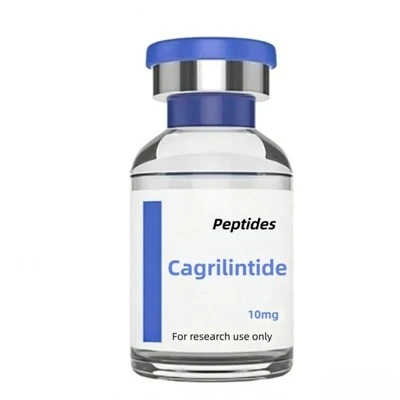
If you’re interested in exploring our weight loss peptide products further or have any specific requirements, we encourage you to reach out. Whether you’re a healthcare provider looking to incorporate peptides into your weight management programs or an individual seeking a reliable source of high – quality peptides, we’re here to assist you. Engage with us for procurement discussions, and let’s work together to achieve your weight loss goals.
References
- [List specific research papers, books, or other reliable sources related to weight loss peptides and appetite regulation. For example, if you referred to a particular study, you would list it here in proper citation format, such as:
Author, A. B., & Author, C. D. (Year). Title of the research paper. Journal Name, Volume(Issue), Page numbers.]
Weight Loss Peptide Please note that you would need to replace the placeholder in the references section with actual reliable sources that support the information in the blog. You can conduct research in scientific databases like PubMed to find appropriate studies on weight loss peptides and appetite regulation.
Zhengzhou Wanyuan Trading Co., Ltd.
As one of the most professional weight loss peptide manufacturers and suppliers in China, we have world-leading production equipment and strong manufacturing capabilities. Please feel free to buy bulk discount weight loss peptide from our factory. For price consultation, contact us.
Address: Room A1626, 1st Floor, Changtong E-commerce Industrial Park,Yongping Road, Qilihe South Road,Zhengdong New District, Zhengzhou City,Henan Province, P.R.China
E-mail: carly88669@gmail.com
WebSite: https://www.zzwanyuan.com/
