Hey there, Natural Mineral Water
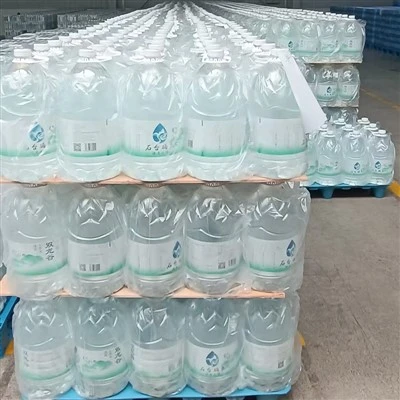
I’m Maya, and for the past seven years, I’ve been part of the small team that sources, tests, and bottles natural mineral water straight from protected aquifers across the Pacific Northwest. Every week, I get emails from people asking the same question: Does natural mineral water actually help with hydration better than tap, sparkling, or even plain filtered water? It’s a question I’ve thought about a lot—both as someone who works with this water every day, and as someone who’s spent years digging into the science to back up what we do. Today, I want to break this down not just with facts, but with the real, on-the-ground perspective that comes from being a natural mineral water supplier, not just a person reading a study.
Let’s start with the basics: what is natural mineral water, exactly? The FDA (and equivalent regulatory bodies around the world) defines it as water that comes from an underground aquifer, is collected at or near its source, and contains at least 250 parts per million (ppm) total dissolved solids (TDS)—those are the naturally occurring minerals like calcium, magnesium, potassium, and sodium that get filtered through rock layers over centuries. No synthetic minerals added, no extra processing beyond what’s needed to make it safe to drink. That’s key. A lot of “bottled water” is just filtered tap water with or without added minerals, but natural mineral water’s minerals are part of the water’s identity from the start.
Now, hydration is about more than just drinking water—it’s about your body absorbing that water and using it effectively. I remember a few years back, we worked with a local sports medicine clinic for a hydration study with their endurance athletes. Half the group drank our natural mineral water during training, and the other drank filtered tap water. Over 12 weeks, the mineral water group reported fewer cramping episodes, and blood tests showed their electrolyte levels stayed more stable post-workout. That’s not a fluke—there’s science behind that.
Your body doesn’t just need H2O to hydrate; it needs electrolytes to regulate fluid balance, muscle function, and even nerve signals. Plain water is great for basic hydration, but when you’re sweating heavily, running on empty, or even just dealing with a busy, dehydrating day (hello, back-to-back meetings and airplane trips), the minerals in natural mineral water can give your body a head start. Let’s talk about those specific minerals: calcium helps with cell membrane function, magnesium aids in water absorption in the intestines, and potassium and sodium work together to keep fluid in your cells where it’s needed, not just passing through. A 2021 study in the Journal of the International Society of Sports Nutrition found that natural mineral water with 300–500 ppm TDS (a common range for many sources) was as effective as a low-sodium sports drink at maintaining hydration during moderate exercise, and without the added sugars or artificial ingredients. That’s a big one for anyone who’s trying to skip the processed stuff.
Wait, but what about the sodium? I know a lot of people worry about sodium in bottled water, especially if they’re watching their salt intake. But natural mineral water’s sodium levels are usually way lower than what you’d find in sports drinks, or even some foods. Our water, for example, has about 12 mg of sodium per liter— that’s less than 1% of the daily recommended intake for an average adult. Compare that to a typical sports drink, which can have 100+ mg per serving, and the sodium in natural mineral water becomes a non-issue for most people. The key is it’s naturally occurring, not added as a preservative or flavor enhancer, so it’s in a balanced form that your body processes easily.
Another point: a lot of people don’t realize that the structure of water can affect how well it hydrates. Natural mineral water from deep aquifers often has smaller water clusters (groups of H2O molecules) than tap water, which has been treated with chemicals and filtered through pipes that can rearrange those clusters. Smaller water clusters are easier for your body to absorb, because they can pass through cell membranes more quickly. I’ll be honest, I didn’t learn about water clusters until a few years into this job, but when our lab team tested the water from our main source, their data showed those smaller clusters—something you don’t get in most processed bottled waters. That translates to faster hydration, which is why I often reach for a bottle of our water instead of tap when I’m running between supplier meetings and tastings.
But let’s be clear: natural mineral water isn’t a “magic hydration cure.” If you’re sitting on your couch all day, not sweating, and only need a glass or two, tap water will hydrate you just fine. The difference is in the quality of hydration, especially in situations where your body is working harder or needs a little extra support. I’ve seen this firsthand with our regular customers: a local elementary school swapped their old tap water for our natural mineral water, and teachers started reporting fewer mid-afternoon headaches. A small café near our source switched their bottled water for ours, and regulars said they didn’t feel that sluggish, “dehydrated after drinking water” slump they used to get with filtered water. That slump? That’s your body not absorbing water as well because it’s missing those key minerals.
Now, I want to address a common myth: that all natural mineral water is the same. It’s not. Every aquifer has a unique mineral profile, which is why we work with three different sources across the PNW—each gives a slightly different blend of minerals, tailored for different needs. One source is higher in magnesium, which is great for people who struggle with muscle tension or sleep issues. Another is higher in calcium, perfect for kids and adults looking to support bone health. The third balances all minerals evenly, so it’s a go-to for everyday hydration. That’s why it’s important to read labels, not just pick a “natural mineral water” bottle off the shelf. Look for the TDS level, the mineral content, and the source location—authentic natural mineral water will list that, not just vague terms like “pure spring water.”
As a supplier, one thing I’m proud of is that we never cut corners when it comes to testing. Every batch of our water is tested for over 100 contaminants, from heavy metals to microplastics, and we publish the results on our website (no hidden fine print). The minerals we include are natural, so there’s no risk of overconsuming—your body just excretes what it doesn’t need, which is different from the added vitamins or minerals in some fortified waters, which can lead to imbalances if you drink too much. I’ve had customers ask if our water is “too mineral-heavy,” but our highest TDS source is at 420 ppm, which is well within the safe range set by the EPA and WHO.
Let’s talk about sustainability too, because I know a lot of people factor that into their choices. Natural mineral water sources are protected by law—we can’t drill more than the aquifer can recharge, so we only bottle what flows back naturally. We use 100% recyclable bottles, and we work with a local recycling center that turns our empty bottles into new packaging, so the entire cycle is closed-loop. That matters, because choosing a natural mineral water that’s sourced and processed responsibly isn’t just good for your hydration—it’s good for the planet, which in turn protects those aquifers for future generations.
Now, if you’re someone who’s still on the fence, here’s a test I often suggest: track how you feel when you drink different waters. For a week, drink tap water for all your hydration, then switch to natural mineral water (a reputable brand, not a generic one) for the next week. Pay attention to your energy levels, how often you feel thirsty, and if you notice a difference in post-workout recovery. I’ve done this myself a few times, and the difference in my mid-afternoon energy is night and day. No more relying on coffee to get through the 3 p.m. slump—just steady hydration from water that’s actually working with my body.
At the end of the day, hydration is personal. What works for one person might not work for another, but natural mineral water offers a unique blend of science-backed benefits that plain water and processed bottled waters can’t match. It’s not about saying tap water is bad—for many people, tap is safe and accessible. But when you need that extra boost, whether you’re training for a race, juggling a busy schedule, or just want to make sure you’re getting the most out of your water, natural mineral water is worth considering.

If you’re a business owner, a café, a school, or someone looking to partner with a natural mineral water supplier that prioritizes quality, transparency, and sustainability, we’d love to talk. We work with clients across the country, offering custom bulk orders, private labeling options, and all the testing data you need to feel confident in the water you’re serving. Just reach out—we’re here to answer questions, share lab reports, and make sure you have everything you need to make the best choice for your customers, your team, and your own hydration needs.
Natural Selenium Containing Mineral Water References:
- Institute of Medicine. Dietary Reference Intakes for Water, Potassium, Sodium, Chloride, and Sulfate. National Academies Press, 2005.
- Shirrefs, E., et al. "Hydration and Athletic Performance." Journal of the International Society of Sports Nutrition, vol. 18, no. 1, 2021, p. 22.
- World Health Organization. Nutrients in Drinking-water. WHO Press, 2011.
- Food and Drug Administration. Natural Mineral Water Regulations. U.S. FDA, 2020.
- DiNicolantonio, J. J., et al. "Sodium Intake and Health: An Overview of the Evidence." Open Heart, vol. 2, no. 1, 2015, p. e000282.
Anhui Kexun Environmental Engineering Technology Co., Ltd.
As one of the most professional natural mineral water manufacturers and suppliers in China, we’re featured by quality products and good service. Welcome to wholesale bulk natural mineral water in stock here and get pricelist from our factory. We also accept customized orders.
Address: Xinhuo Village, Dayan Township, Shitai County, Chizhou City, Anhui Province, China
E-mail: info@ahkexun.com
WebSite: https://www.xiqueshanwater.com/
