Hey there, if you’ve ever messed around with a mist generator—whether for industrial humidification, crop cooling, disinfection, or even that backyard patio misting system that keeps you cool on a sweltering day—you know nothing kills the vibe (or the efficiency) like weak, spotty, or short-lasting mist. As someone who’s been selling mist generators for years (and troubleshooting them in the field, even when a client called at 2 a.m. because their system died during a summer festival), I’ve learned that most performance issues aren’t because the unit is garbage. They’re just tiny, fixable mistakes people miss, or basic tweaks that make a way bigger difference than you’d think. Today I’m breaking down exactly what works to boost your mist generator’s performance, no fancy engineering degree required. Mist Generator
First off, let’s get real about what “performance” even means here. For us, that’s two big things: 1) More consistent, fine mist (not those chunky water droplets that fall like rain 10 feet from the unit) and 2) Longer run time without clogs, leaks, or sky-high energy bills. I’ve had clients come to me saying their mist “disappears after 10 minutes” or “uses twice as much water as it should,” and 9 times out of 10, we fix it with a quick check of the basics before even touching the nozzle or pump.
Let’s start with the thing everyone overlooks: water quality. Dude, this is non-negotiable. Your mist is just water pushed through tiny nozzles, right? If that water has junk in it—minerals, sediment, rust, even leftover chlorine from the tap—it’s gonna mess everything up. I once visited a warehouse where their mist generators were clogging every 3 days, and it turned out they were using straight city water full of calcium. Once they swapped in a basic sediment filter and a water softener, their nozzle life tripled, and mist output got way more even. Hard water is the biggest culprit here, especially for low-pressure or ultrasonic mist generators. Ultrasonic ones (the kind with the vibrating plate that makes tiny bubbles) are extra sensitive: mineral buildup on the plate will muffle the vibrations, so mist gets thin or stops entirely. For any system, if you’re not filtering your water, you’re asking for clogs and bad performance. I always recommend a two-step filter: first a 5-micron sediment filter to catch big gunk, then a 1-micron carbon filter to get rid of chlorine and small particles. For areas with super hard water, add a simple inline water softener—it’s like $20 and saves you from replacing 10 nozzles a year. That’s a no-brainer.
Next up: nozzle maintenance. Look, nozzles are tiny, and even the tiniest speck of dirt can throw off the whole spray pattern. I tell all our clients to do a quick nozzle check every 100 hours of run time—way less frequent than you might think, especially if you’ve got good water. How do you do it? Shut the unit off (safety first, folks), unscrew each nozzle, and soak them in white vinegar for 30 minutes. Vinegar dissolves mineral buildup like magic, no harsh chemicals needed. For really stubborn clogs, use a soft bristle brush (a toothbrush works great) or even a wooden toothpick to gently dislodge gunk—never metal tools, those can scratch the nozzle tip and mess up the spray. I once had a client who skipped this, and their nozzles were so clogged half the mist holes were blocked, so they were only getting mist from 2 of 8 nozzles. Once he soaked them, his mist output went up by 60%—that’s insane for 30 minutes of work. Also, don’t be afraid to replace nozzles when they get old. Even if you clean them, over time the tip wears down, and the mist gets chunky. We sell replacement nozzles for our units, and I always tell people to keep a spare set in their toolbox so they’re never stuck mid-job.
Now, let’s talk about pump and pressure. This is where a lot of new mist generator users mess up. If you’re using a high-pressure system (the kind that makes super fine mist, usually 500-1500 PSI), the pump needs to be working at the right pressure the whole time. If pressure drops, your mist becomes bigger and less effective. How do you check pressure? Most good units have a built-in pressure gauge, but if yours doesn’t, you can pick up a cheap inline pressure gauge at any hardware store. If pressure is too low, first check for leaks in the lines—even a tiny pinhole leak will drop pressure like a rock. Tighten any loose fittings, or replace a damaged line. If leaks aren’t the issue, the pump might need to be primed or cleaned. Priming is super easy: shut off the water supply, disconnect the pump inlet, pour a cup of clean water into the inlet to get the pump moving, then reconnect and turn it back on. I’ve had so many clients call saying their pump “stopped working” and it just needed priming—takes 2 minutes. For ultrasonic mist generators, pressure isn’t a thing, but the water level is. If the water in the tank is too low, the ultrasonic plate will be exposed, so it gets too hot and burns out. Always keep the tank at the minimum mark—don’t overfill it either, that can cause water to splash onto the plate and reduce mist output.
Wait, what about unit placement? That’s another big one I see people get wrong. If your mist generator is tucked in a corner, blocked by walls or other equipment, the mist can’t disperse evenly, so it feels like the performance is bad even if the unit is working fine. For outdoor use (like patios, greenhouses, or outdoor event spaces), place the unit 7-10 feet above ground, and aim the nozzles slightly outward, not straight down. That way the mist can evaporate as it travels, cooling a bigger area instead of falling in a small spot. For indoor use (like industrial humidification or disinfection), don’t place it near fans blowing directly at the nozzles—wind will break the mist droplets into smaller ones that evaporate too fast, so you don’t get the cooling or humidification you need. I once worked with a brewery that was using mist to keep their fermentation rooms at the right temp, and they had a big exhaust fan right above the generator. The mist was evaporating before it reached the far side of the room, so they had to run the unit twice as long. Once we moved the generator 5 feet away from the fan, their run time dropped by 40% and the temp was way more consistent. Placement is low-effort, high-reward—don’t sleep on it.
Also, let’s chat about run time and matching the unit to your needs. A lot of people buy a one-size-fits-all mist generator that’s either too small or too big for their space. If you need to cool a 1,000 sq ft patio and you get a mist generator made for a 500 sq ft space, it’s gonna work overtime, clog faster, and never keep up. On the flip side, if you have a small backyard and you buy a unit built for a warehouse, you’ll waste water and energy, and the mist will be too dense (it’ll feel like standing in a fog machine at a concert, not cooling you down). How do you pick the right size? A good rule of thumb is 0.5 gallons per hour per 100 sq ft for cooling, or 1 gallon per hour per 1000 sq ft for humidification. When I sell a mist generator, I always ask what it’s being used for, how big the space is, and if it’s indoor or outdoor—saves my clients from buying the wrong thing, which is the biggest performance killer of all.
Wait, what about regular maintenance? It’s easier to let stuff slide, but a 5-minute check once a week is way better than fixing a broken unit. I tell all our clients to do a weekly “mist check”: run the unit for 5 minutes, turn it off, and inspect the nozzles, lines, and water tank. Look for leaks, discoloration in the water, or clogs in the nozzles. For ultrasonic tanks, wipe out the tank once a week to get rid of any algae or mineral gunk that builds up on the sides. I had a client who hated doing maintenance, so he set a recurring reminder on his phone for Saturday afternoons—now he says it takes less time than folding laundry, and his mist generator has been running without issues for 2 years. That’s way better than buying a new unit every 6 months.
Oh, and one quick trick I learned from a greenhouse owner: if you use your mist generator for cooling, add a tiny bit of food-grade hydrogen peroxide to the water every few weeks (1 part peroxide to 100 parts water). It kills bacteria and algae, so you get less gunk in your lines and nozzles, and your mist stays clearer. Just make sure it’s food-grade—don’t use regular household peroxide, that’s got extra stabilizers that might mess with your system.
Let me be real with you: I’ve seen all kinds of performance issues, from units that won’t mist at all to ones that waste 3x the water they should. The best part is, most fixes are super simple, no fancy tools or tech required. It’s not about buying the most expensive mist generator—it’s about taking care of the one you have, and tweaking small things to make it work better for your specific use case.
If you’re dealing with a mist generator that’s not performing like it should, or you’re in the market for a new one that actually works for your needs, hit us up to connect and chat through what you’re looking for. We’ve got units for every space, from small backyard patios to big industrial warehouses, and we’ll help you make sure it’s set up right so you get the best performance possible. Don’t waste time dealing with spotty mist or clogs—let’s get your system working like it should.
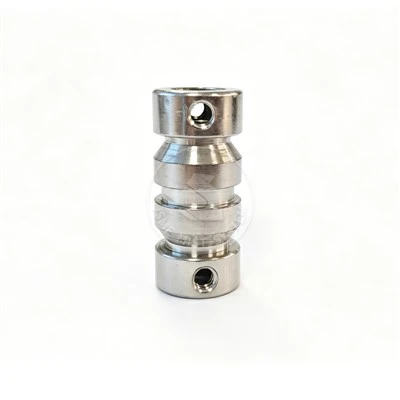
Latch-type Connection Piece References:
- ASHRAE Handbook—HVAC Systems and Equipment, American Society of Heating, Refrigerating and Air-Conditioning Engineers, 2021.
- Industrial Misting Technology Guide, National Agri-Marketing Association, 2022.
- Ultrasonic Humidifier Performance Best Practices, Environmental Protection Agency, 2020.
- Water Quality for Mist Generator Systems, Water Quality Association, 2021.
Jinsheng Mist Forest-High Pressure Mist System
Jinsheng Mist Forest-High Pressure Mist System is one of the most experienced mist generator manufacturers and suppliers in China, featured by quality products and low price. Please rest assured to wholesale bulk mist generator in stock here and get pricelist from our factory. Customized orders are welcome.
Address: 109 Yonghong Road, Wenjiang District, Chengdu City, Sichuan Province, China
E-mail: 18190767523@163.com
WebSite: https://www.jswsmist.com/
