If you’ve ever walked into a paint shop, poured nail polish remover, or even sipped a fruity iced tea, you’ve probably encountered ester solvents without even realizing it. These unassuming chemical compounds are workhorses across countless industries, balancing effectiveness with safety in ways few other solvents can match. As a supplier of ester solvents, I get asked all the time: “What are the most common types, and when do I need each one?” Let me break down the ones you’re most likely to work with, how they’re used, and why choosing the right ester matters for your operations. Ester Solvents
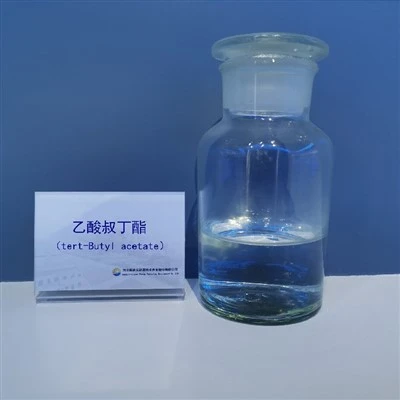
First, a quick refresher on what makes an ester solvent different from other types. Unlike hydrocarbon solvents (think gasoline or toluene) or ketones, esters are formed when an acid reacts with an alcohol—a process called esterification. This gives them a unique set of properties: they dissolve a wide range of organic materials, evaporate at predictable rates, and have mild, often pleasant odors, making them far less harsh than many traditional solvents. For manufacturers, formulators, and even lab teams, that balance of solvency, low toxicity, and regulatory compliance is why esters have grown 30% in industrial use over the last decade, per industry data.
Let’s start with the most widely used ester: ethyl acetate. If you’ve used non-acetone nail polish remover, that’s ethyl acetate doing the heavy lifting. It’s also the go-to for paint formulators who want a fast-evaporating, low-VOC (volatile organic compound) solvent for air-dry lacquers and wood coatings. What makes ethyl acetate so versatile is its similarity to acetone, but with a lower environmental footprint. It’s used in pharmaceutical manufacturing too, where it extracts active ingredients from plants without leaving harsh residues—think the process for making herbal supplements or certain oral medications. As a supplier, I often work with custom blended ethyl acetate for coffee roasters too: decaffeination of coffee beans relies on ethyl acetate to pull caffeine from green beans without ruining the bean’s flavor profile. Unlike other solvents, it leaves no chemical aftertaste, which is why specialty food and beverage companies swear by it. It’s also relatively safe for workers compared to alternatives, with a low acute toxicity rating, so OSHA exposure limits for ethyl acetate are far more lenient than for many hydrocarbon solvents.
Next up is butyl acetate, the workhorse for industrial coatings. There are actually three main types of butyl acetate—n-butyl acetate, isobutyl acetate, and tert-butyl acetate—each with slight differences in evaporation rate that make them suited for different jobs. N-butyl acetate is the most common: it evaporates slower than ethyl acetate, so it’s used in spray paints, automotive refinish coatings, and industrial metal primers. That slower evaporation means the paint has more time to level out and form a smooth, even finish instead of drying too fast and leaving streaks. Automotive body shops use n-butyl acetate to thin sprayable lacquers and enamel paints, ensuring they flow evenly over curved body panels without sagging. Isobutyl acetate, by contrast, evaporates a bit faster, so it’s used in architectural paints—like interior wall enamels—where quick dry time and low odor are key for contractors working in occupied buildings. Tert-butyl acetate, as the name suggests, has a more branched structure, giving it an even faster evaporation rate and higher solvency for tougher resins. That makes it ideal for stripping agents, where you need to dissolve old paint or coatings quickly without damaging the underlying surface. I’ve had many aerospace clients reach for tert-butyl acetate when cleaning aircraft components; it cuts through grease and old sealants without harming aluminum or composite materials, a critical requirement for FAA compliance.
Another common ester is isopropyl acetate (IP Acetate). Often overlooked next to its ethyl and butyl cousins, IP Acetate strikes a middle ground in evaporation rate and solvency. It’s less polar than ethyl acetate but more polar than butyl acetate, so it dissolves a broader range of resins and polymers. For printing inks, that makes it perfect for flexographic and gravure inks used on plastic films, food packaging, and labels. The food packaging industry relies heavily on IP Acetate because it’s GRAS (Generally Recognized As Safe) for indirect food contact, meaning there’s no risk of solvent leaching into food products from printed packaging. I recently supplied IP Acetate to a specialty ink maker that produces inks for cereal boxes and snack bags; they switched from toluene to IP Acetate to meet stricter FDA regulations, and it cut their solvent-related waste by 22% because it evaporates at a consistent rate, reducing ink defects. It’s also used in the fragrance industry, where it acts as a carrier for essential oils and synthetic fragrances, helping them disperse evenly in air fresheners, candles, and perfumes. Unlike more harsh solvents, IP Acetate doesn’t alter the scent profile of the final product, making it a favorite with perfumers who want to preserve the delicate notes of their blends.
Now, for something a bit different: glycol ether esters. These are a subgroup of esters that combine glycol (a type of alcohol) with an acid, giving them unique properties that set them apart from the simpler alkyl esters like ethyl acetate. The most common glycol ether esters are ethylene glycol monobutyl ether acetate (EGBEA) and propylene glycol monomethyl ether acetate (PMA). PMA, in particular, has exploded in use over the last 15 years as a replacement for more toxic glycol ether solvents. It’s slowly evaporating, highly solvating, and has excellent solubility for acrylic and epoxy resins—key ingredients in high-performance coatings, semiconductor manufacturing, and cleaning products. For semiconductor fabs, PMA is critical during the photolithography process, where it’s used to develop photoresist layers on silicon wafers. The semiconductor industry demands solvents with extremely low impurity levels, and as a supplier, we maintain strict quality control to ensure our PMA has less than 1 part per billion of metals, a standard required for 5nm and smaller chip production. It’s also used in architectural coatings, where its slow evaporation helps create durable, weather-resistant exterior paints that adhere well to wood, metal, and stucco. EGBEA, meanwhile, is used in industrial cleaning products—like degreasers for machinery and engine parts—because it cuts through heavy oils and greases without damaging metal surfaces. It’s also a common solvent in nail polish, where it helps dissolve nitrocellulose (the main ingredient in nail lacquer) and gives the polish its glossy finish.
One more type that’s gaining traction: acetate esters derived from renewable feedstocks, like bio-based ethyl acetate and bio-based butyl acetate. As industries shift toward more sustainable products, bio-based esters have become a popular alternative to petroleum-derived versions. For example, our bio-based ethyl acetate is made from fermented sugarcane, so it has a 40% lower carbon footprint than traditional ethyl acetate, and it performs identically in formulations. I work with many consumer goods companies that are transitioning to sustainable packaging and looking for solvents that align with their ESG goals; bio-based esters are often the missing link between performance and sustainability. They’re also used in personal care products, where consumers are increasingly wary of synthetic chemicals. Bio-based esters are mild, non-irritating, and biodegradable, so they’re used in lotions, creams, and hair products as both a solvent and a emollient. Unlike petroleum-derived solvents, they break down in the environment within a few weeks, making them ideal for products that might enter wastewater systems after use.
Now, let’s talk about how to choose the right ester for your needs, because that’s where many people get stuck. First, consider your application: are you making paint, ink, pharmaceuticals, or food packaging? Each has different requirements for solvency, evaporation rate, and regulatory compliance. For example, if you’re decaffeinating coffee, ethyl acetate is the only ester that’s food-safe and doesn’t leave residual flavor. If you’re spraying automotive lacquer, n-butyl acetate’s slow evaporation rate is critical for a smooth finish. Second, check regulatory requirements: if you’re operating in the EU, REACH regulations set limits on certain esters, while in the U.S., the FDA has specific rules for solvents that come into contact with food or pharmaceuticals. Third, cost and availability: petroleum-derived esters are often cheaper, but bio-based esters are becoming more affordable as production scales, so it’s worth evaluating long-term supply chains.
As an ester solvent supplier, I’ve seen firsthand how choosing the wrong ester can delay production, increase defects, or even lead to compliance issues. That’s why we don’t just sell solvents—we work with you to understand your specific application, test formulations if needed, and deliver consistent, high-quality products that meet your needs. Whether you’re a small ink maker looking for a custom blend or a large semiconductor fab needing ultra-pure glycol ether esters, we have the experience and inventory to support you.
If you’re looking to replace old solvents, troubleshoot formulation issues, or learn more about bio-based ester options, I’m here to help. We can provide sample quantities, test your current formulations, or walk you through the regulatory requirements for your industry. Don’t hesitate to reach out to start a conversation about your ester solvent needs.
Olefin Raw Materials References:
- Industrial Solvents Association. (2023). Global Ester Solvent Market Report: Trends, Applications, and Regulatory Outlook.
- U.S. Environmental Protection Agency. (2022). Volatile Organic Compound (VOC) Limits for Industrial Coatings.
- Food and Drug Administration. (2021). GRAS Notice Database: Ester Solvents for Food Contact Applications.
- European Chemicals Agency. (2023). REACH Registration Dossiers for Alkyl Esters and Glycol Ether Esters.
- Semiconductor Industry Association. (2022). Solvent Purity Standards for Photolithography Processes.
Hebei Xinxinyuan Energy Co., Ltd.
Hebei Xinxinyuan Energy Co., Ltd. is one of the most professional ester solvents manufacturers and suppliers in China, featured by quality products and good price. Please rest assured to wholesale customized ester solvents made in China here from our factory.
Address: Zhongjie Industrial Park, Huanghua City, Cangzhou City, Hebei Province, China
E-mail: atl2066@qq.com
WebSite: https://www.xinxinyuanfr.com/
